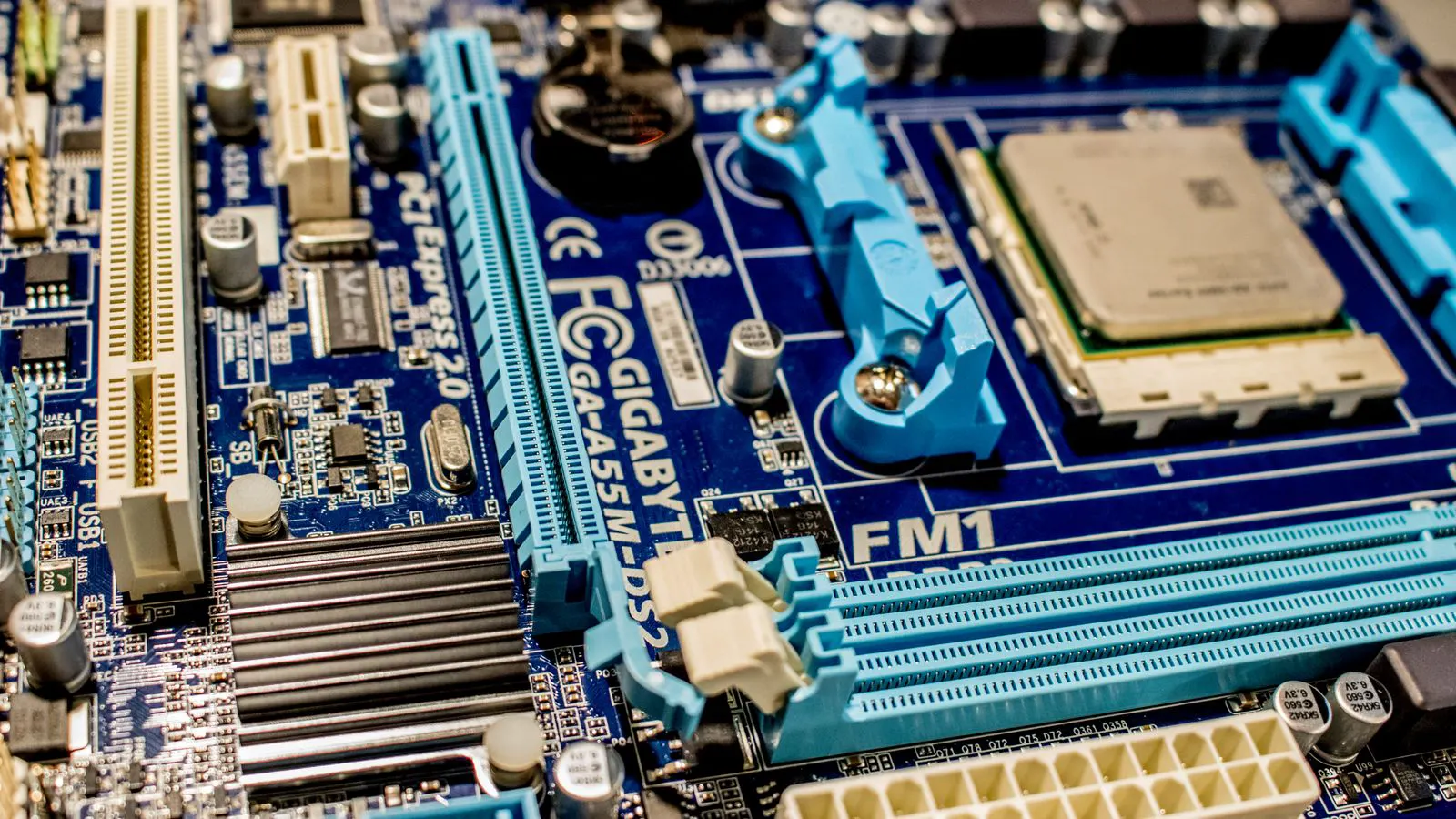
Choosing a Supplier
Supplier Cost vs. Lead Time: A Practical Sourcing Matrix
Supplier cost vs lead time requires a structured sourcing matrix. This guide shows how to evaluate tradeoffs, write clear RFQs, and compare quotes fairly to reduce risk
Practical component knowledge for buyers and engineers
Buyers decide on component suppliers, part specifications, quality checks, and lead times. Electronic Components Hub publishes direct answers on passive parts, semiconductors, and connectors. It also covers counterfeit risks, sourcing channels, and compliance standards.
The site explains how engineers and procurement teams verify datasheets, compare distributor options, and manage risk. Content focuses on the checks that prevent costly failures in production lines and field devices.
Start with the stage of the sourcing process you are in.
Detailed guides on resistors, capacitors, and inductors, covering selection, tolerance, and application in modern electronics.
Practical resources on transistors, integrated circuits, and power devices, focusing on datasheet interpretation and circuit design.
Technical insights on reliable interconnects, switching solutions, and contact materials for robust electrical and electronic systems.
Strategies and inspection techniques for identifying counterfeit components, ensuring supply chain integrity and product reliability.
Guidance on sourcing electronic components, managing inventory, and understanding distribution channels for efficient procurement.
Explainers on industry standards, regulatory requirements, and compliance processes for safe and certified electronic component design.
Evaluation criteria and best practices for selecting reliable suppliers of electronic components to ensure quality and performance.
Supplier cost vs lead time requires a structured sourcing matrix. This guide shows how to evaluate tradeoffs, write clear RFQs, and compare quotes fairly to reduce risk
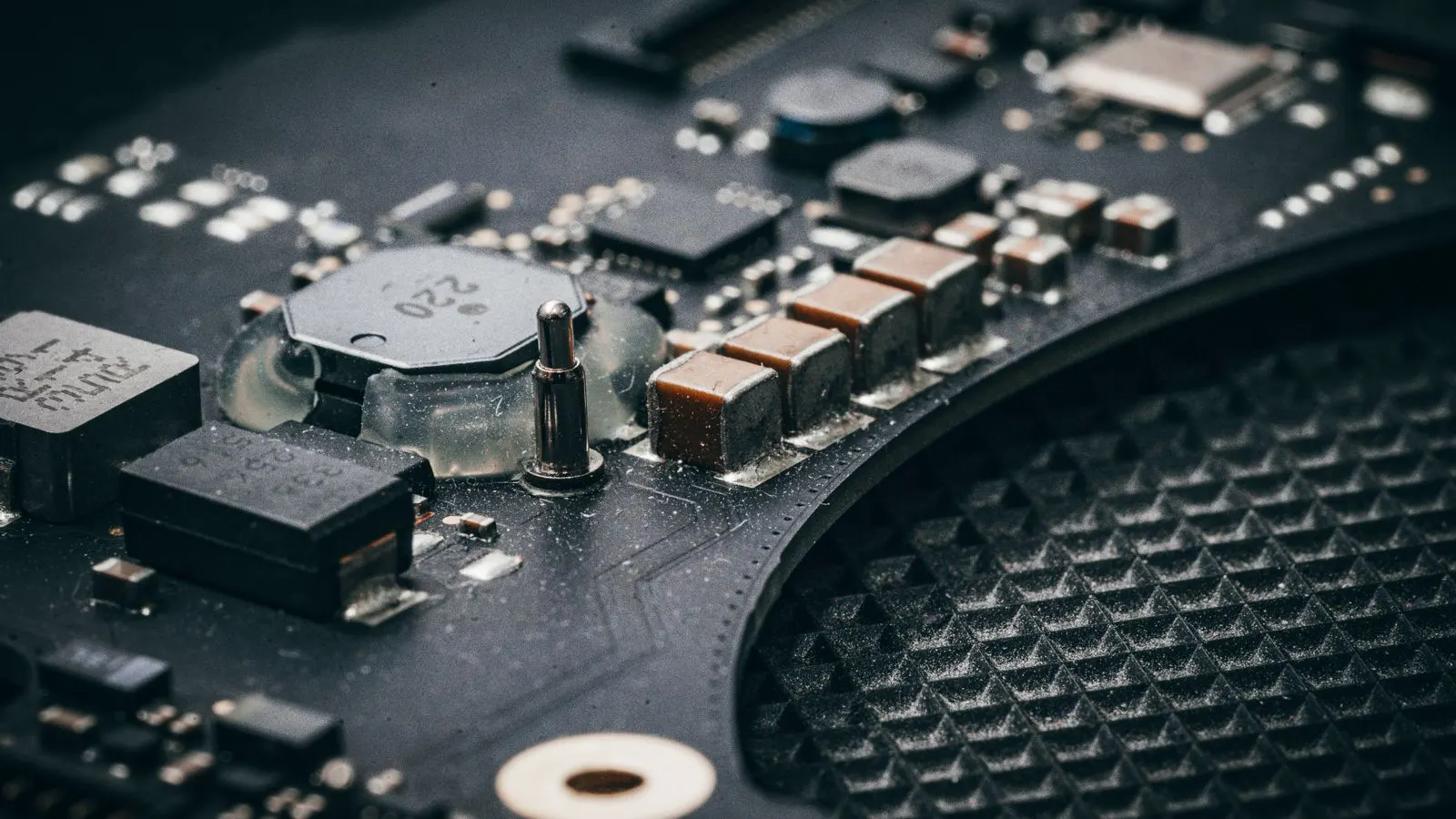
Resistor tolerance defines acceptable deviation from the rated value. Tighter grades like 1% improve signal integrity and stability, while 5% parts remain cost effective

A reliable electronic distribution partner offers verified inventory, transparent traceability, and responsive technical support. Evaluating partners against clear
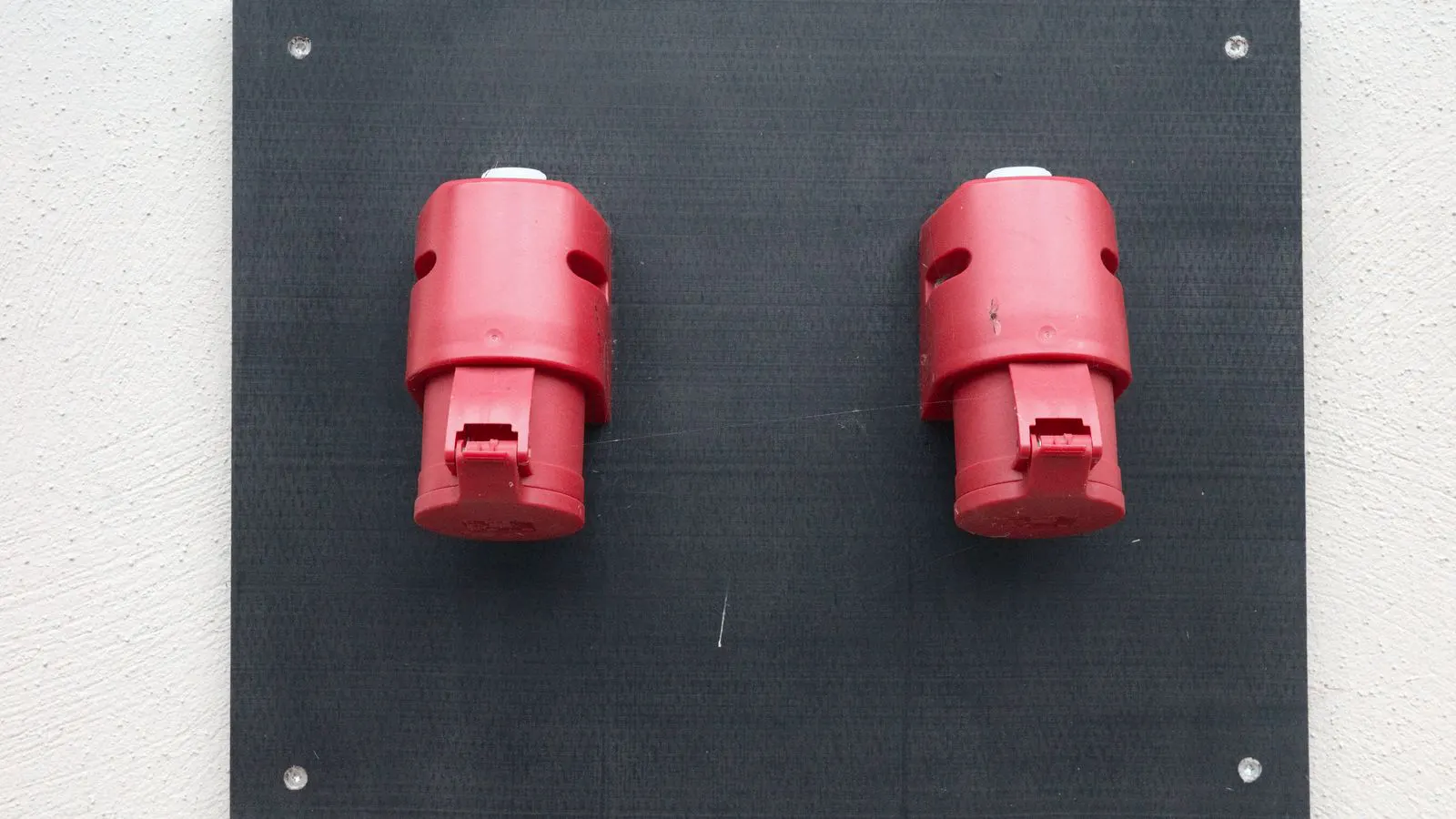
Choose industrial electrical connectors by matching load ratings, environmental protection, and mechanical durability to specific application needs. This guide provides
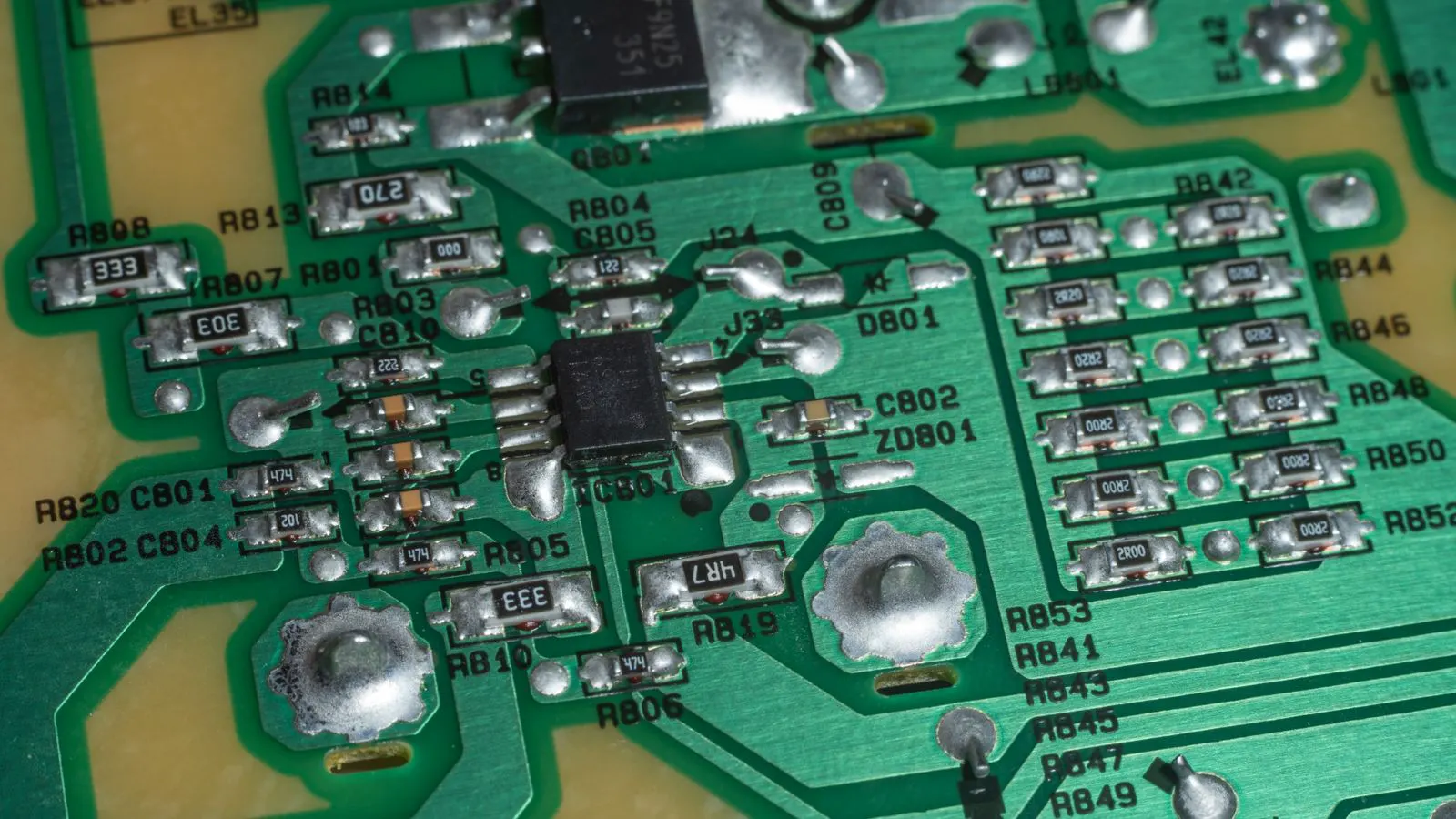
RoHS 3.0 procurement requires updating supplier documentation, testing protocols, and material declarations. Buyers must prepare for stricter limits on elements like tin
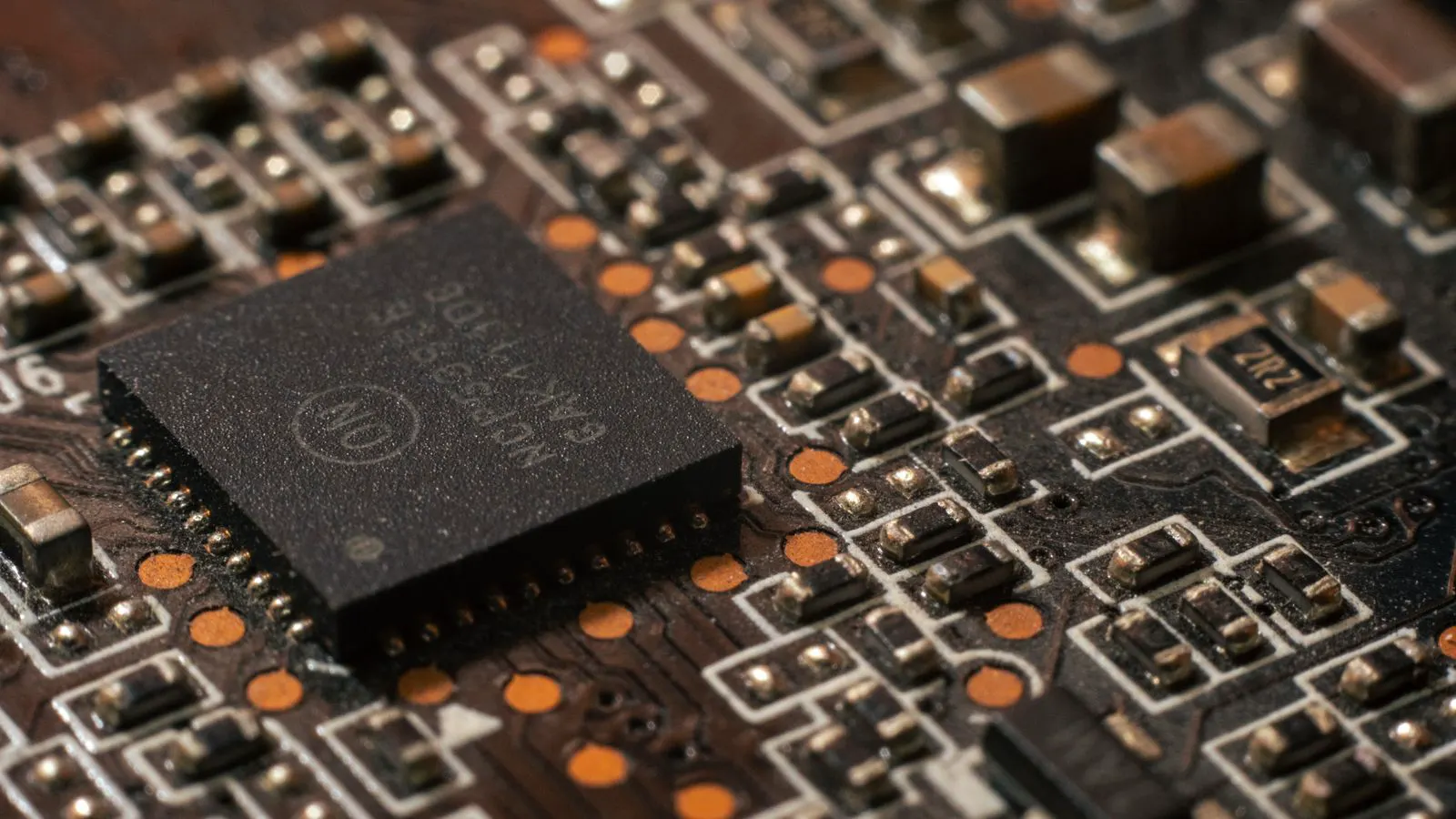
Spotting fake SMD resistors requires a systematic approach. Inspect the die, coating, and packaging for visual defects. Verify weight and markings against datasheets.
Buyers should check supplier certifications, traceability data, and physical part markings. Independent third-party testing can confirm material composition and electrical performance.
Lead times vary by part type and supply chain conditions. Long-lead items require earlier ordering and buffer stock strategies to prevent production delays.
Standards cover safety, environmental impact, and electrical performance. Specific requirements depend on the application, such as automotive, medical, or industrial use.
Evaluate suppliers based on mechanical durability, electrical contact resistance, and compliance with industry specifications. Request samples for testing before large orders.
Passive components can fail due to heat stress, moisture damage, or incorrect rating selection. Proper derating and environmental control reduce failure rates.
Counterfeit parts introduce unknown risks to product reliability. They may meet initial tests but fail under stress, leading to field failures and recalls.