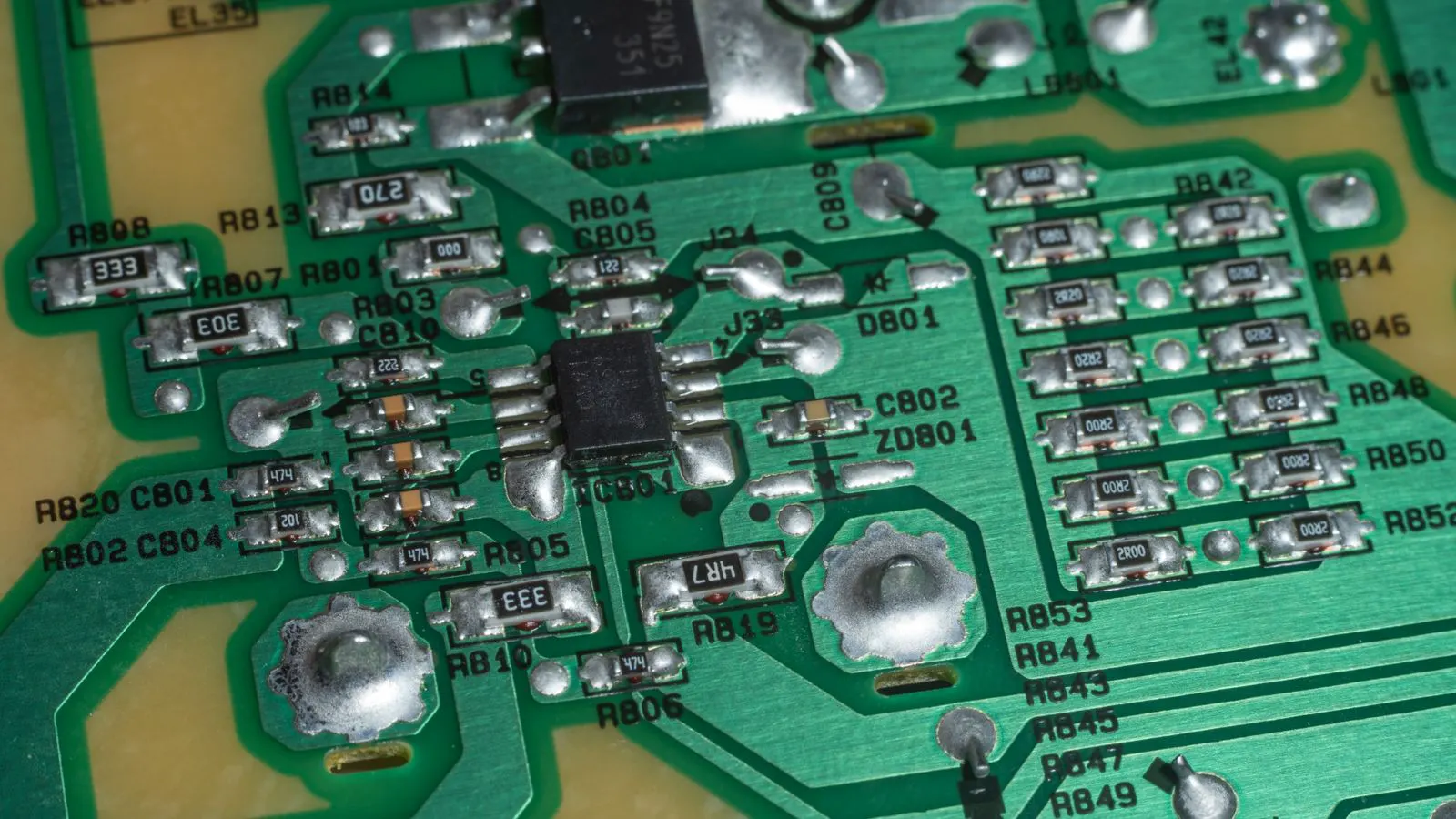
RoHS 3.0 procurement requires updating supplier documentation, testing protocols, and material declarations. Buyers must prepare for stricter limits on elements like tin and antimony. Early sourcing and design adjustments will reduce compliance risk and protect product timelines.
- RoHS 3.0 introduces stricter limits for tin and antimony, which affects solder and dielectric materials.
- Sourcing strategies must account for potential material substitutions and lead time variations.
- Supplier documentation and testing requirements will expand under the new regulatory framework.
- Design teams should review component specifications to ensure compatibility with future material restrictions.
- Early engagement with suppliers helps mitigate risks related to compliance and supply continuity.
How RoHS 3.0 Differs From Current RoHS Limits
The current RoHS regulation restricts the use of six hazardous substances in electronic equipment: lead, mercury, cadmium, hexavalent chromium, polybrominated biphenyls, and polybrominated diphenyl ethers. These limits have shaped global electronics manufacturing for over a decade. Manufacturers have adapted by removing these materials from solders, capacitors, and other components.
RoHS 3.0, or the proposed revision, aims to extend these restrictions to additional elements. The primary focus is on two materials: tin and antimony. These elements are common in solders, fluxes, and some dielectric materials. Under the proposed regulation, the maximum concentration of tin and antimony in homogeneous materials will be significantly lower than current tolerances. This shift is driven by concerns about toxicity and environmental impact.
The distinction between homogeneous and non-homogeneous materials is critical here. Homogeneous materials are single substances that cannot be separated without physical destruction. Solder alloys, for example, are homogeneous. Non-homogeneous materials consist of multiple distinct substances, such as a capacitor with a plastic casing and an electrolyte. The new limits apply specifically to the homogeneous parts, which means component designers must evaluate each material layer individually.
This change impacts a broad range of products. Consumer electronics, automotive components, industrial sensors, and medical devices all rely on soldered connections. If the limits are finalized, every product that uses tin-based solder will require a material review. The transition period will likely be substantial, but the planning must begin now.
Why Solder and Flux Materials Are Under Pressure
Solder is one of the most affected materials in electronics. Modern electronics have moved heavily toward lead free solders to comply with existing RoHS rules. These solders typically contain tin, silver, and copper. The addition of antimony has been used in some alloys to improve flow and wetting characteristics.
Under RoHS 3.0, the allowable percentage of tin and antimony in these alloys will drop. This forces manufacturers to seek alternative alloy compositions. Potential alternatives include bismuth, indium, or higher proportions of silver and copper. However, each alternative has trade-offs. Bismuth lowers the melting point, which can be problematic for high temperature assembly. Indium is expensive and can suffer from whisker growth, which is a reliability concern.
Fluxes also come into play. Fluxes are used to remove oxides from metal surfaces during soldering. Many fluxes contain organic compounds and some metallic additives. If the flux contains tin or antimony, it must be evaluated under the new limits. Manufacturers will need to test flux residues and verify that they do not exceed the threshold.
The impact extends beyond the solder joint itself. Soldering processes involve reflow ovens, wave soldering machines, and hand soldering stations. Each of these processes may require adjustments if the solder composition changes. For instance, a lower melting point alloy may require different thermal profiles to avoid damaging nearby components.
Updating Supplier Documentation and Declaration Processes
One of the immediate changes in RoHS 3.0 procurement will be the expansion of supplier documentation. Currently, buyers rely on declarations of conformity, material safety data sheets, and certificates of compliance. These documents confirm that a component meets the current RoHS limits.
Under the new regulation, these documents will need to include specific data on tin and antimony. Suppliers may be required to provide test reports for each homogeneous material in their components. This means a single connector may require multiple test reports if it contains multiple solder alloys or metallic coatings.
The format of these declarations will likely change. Standard industry formats may be updated to include new fields for the additional elements. Buyers should prepare for a period of transition where suppliers provide information in varying formats. Standardizing the data collection process early will save time later.
It is also important to consider the level of assurance required. A supplier may claim that their solder contains less than the limit, but buyers may need third-party verification. Independent testing laboratories can provide this verification. The cost of testing will increase as more materials are covered. This cost impact should be factored into procurement budgets.
Design and Engineering Adjustments for New Limits
Engineering teams must review their product designs in light of the new material restrictions. This is not just a compliance exercise. It is a reliability and performance issue. Changing a solder alloy can affect thermal expansion, mechanical strength, and electrical conductivity.
The first step is to identify all components that use tin or antimony. This includes direct components like resistors, capacitors, and integrated circuits. It also includes indirect materials like potting compounds, cable jackets, and housing materials. A thorough bill of materials review is necessary.
Once the affected components are identified, engineering can evaluate alternatives. This may involve selecting a different solder alloy or a different type of connector. It may also require redesigning a section of the board to accommodate a different assembly process.
Simulation tools can help predict the impact of material changes. Thermal simulation can show how a different solder alloy affects heat dissipation. Mechanical simulation can predict stress on solder joints during thermal cycling. These tools provide quantitative data that supports design decisions.
Design for compliance should be integrated into the product development lifecycle. Waiting until the end of the project to address material changes will likely result in delays and cost overruns. Early engagement with suppliers and internal engineering teams will lead to better outcomes.
The Role of Testing and Verification in Compliance
Testing is the backbone of RoHS 3.0 procurement. Without reliable test data, buyers cannot confirm that a component meets the new limits. The types of testing will expand to cover tin and antimony in addition to the existing six elements.
Common testing methods include X-ray fluorescence, which is non-destructive and can be used for surface analysis. It is fast and provides a quick check for element presence. However, it may not detect elements in small quantities or in deep layers.
Inductively coupled plasma mass spectrometry is another method. It is highly sensitive and can detect elements at very low concentrations. It is often used for homogeneous materials like solder alloys. The sample preparation may require cutting or dissolving the material, which is a destructive process.
Buyers must decide on the testing protocol for their supply chain. This involves selecting testing laboratories, defining the sampling plan, and establishing the acceptance criteria. The testing protocol should be documented and communicated to suppliers.
It is also important to consider the frequency of testing. A component may be tested at the beginning of a production run and then at regular intervals. This approach provides a balance between cost and assurance. The testing frequency should be based on the risk of variation in the supplier’s process.
Procurement Strategy for a Changing Regulatory Environment
Procurement managers must adjust their sourcing strategies to accommodate the new limits. This involves evaluating current suppliers for their ability to meet RoHS 3.0 requirements. Some suppliers may have already developed compliant materials. Others may need to invest in new processes or materials.
The lead time for qualifying new materials can be significant. It may take several months to develop a new solder alloy, test it, and qualify it for use in a product. Buyers should build this time into their project schedules.
Diversification of suppliers is also a key strategy. Relying on a single source for critical components increases the risk of supply disruption. If a supplier cannot meet the new limits, or if their process fails during qualification, the product will be delayed. Having multiple qualified suppliers provides a buffer.
Buyers should also consider the regional variations in regulations. While RoHS is an EU regulation, it has global implications. Many countries and regions have adopted similar or stricter material restrictions. Understanding the regulatory landscape in key markets will help buyers make informed sourcing decisions.
How to Prepare Your Organization for RoHS 3.0
Preparing for RoHS 3.0 is an organizational effort. It involves cross-functional collaboration between procurement, engineering, quality, and compliance teams. Each team has a specific role in the transition.
Procurement is responsible for supplier engagement and contract updates. Engineering is responsible for design changes and material selection. Quality is responsible for testing and verification. Compliance is responsible for regulatory interpretation and documentation.
A dedicated task force can coordinate these efforts. The task force should define the scope of the impact, identify the affected components, and develop a transition plan. Regular updates and reporting will keep stakeholders informed.
Training is also important. Staff in procurement, engineering, and quality need to understand the new limits and the implications for their work. Training sessions can cover the technical details, the documentation requirements, and the testing protocols.
Finally, buyers should monitor the regulatory developments. The final text of RoHS 3.0 is still in the legislative process. Changes may be made during the final review. Staying informed about these changes will help buyers adjust their strategies as needed.
| Component Type | Primary Material of Concern | Potential Impact of RoHS 3.0 |
|---|---|---|
| Through-hole Resistors | Tin-Silver-Copper Solder | Alloy substitution required |
| Surface Mount Capacitors | Tin Solder | Flux and solder residue testing |
| Integrated Circuits | Tin Antimony Solder | Material declaration update |
| Connectors | Tin Coating | Coating thickness and composition review |
| Potting Compounds | Tin Fillers | Compound formulation change |
A Practical Approach to the Transition
The transition to RoHS 3.0 will not happen overnight. It will be a gradual process that spans several years. Buyers should adopt a phased approach.
The first phase is assessment. This involves reviewing the current bill of materials, identifying components that contain tin or antimony, and evaluating the risk of non-compliance. This phase should be completed as soon as possible.
The second phase is planning. This involves developing a strategy for material substitution, supplier engagement, and testing. The plan should include a timeline and a budget for the transition.
The third phase is execution. This involves implementing the changes in the supply chain. Suppliers are updated with the new requirements, new materials are tested, and designs are revised.
The fourth phase is monitoring. This involves ongoing verification of compliance and adjustment of processes as needed. Monitoring ensures that the product remains compliant throughout its lifecycle.
By taking these steps, buyers can manage the transition to RoHS 3.0 effectively. The goal is to ensure that the product meets the new regulatory requirements without compromising performance, reliability, or cost.
Conclusion
RoHS 3.0 procurement is a significant shift for the electronics industry. The new limits on tin and antimony will require changes in materials, testing, and supplier documentation. Buyers who prepare early will be better positioned to manage the transition.
The key is to take action now. Review your supply chain, engage with suppliers, and plan for the changes. The regulatory environment is not static. It will continue to evolve as new concerns about hazardous materials emerge. Staying proactive is the best way to maintain compliance and protect your product.
The path forward is clear. Understand the new limits, evaluate your materials, and adjust your sourcing strategies. By doing so, you can ensure that your products meet the requirements of the future while maintaining the quality and reliability that your customers expect.
Frequently asked questions
Does RoHS 3.0 apply to all electronic products globally?
RoHS is an EU regulation, but its requirements influence global supply chains. Many non-EU markets have adopted similar material restrictions. Buyers should check local regulations in their target markets.
How long will it take to qualify a new solder alloy?
The qualification process can take several months. It involves material development, testing, and design validation. The timeline depends on the complexity of the product and the supplier's capabilities.
Can I use the same testing method for RoHS 3.0 as for current RoHS?
The same types of testing methods, such as XRF or ICP, can be used. However, the acceptance criteria will change to reflect the lower limits for tin and antimony.
What happens if a supplier cannot meet the new limits?
If a supplier cannot meet the new limits, you may need to find an alternative supplier or a different material. This can lead to delays and costs. Diversification of suppliers helps mitigate this risk.
Is there a transition period for RoHS 3.0?
Yes, there will likely be a transition period. This period allows manufacturers and suppliers to adjust their processes and materials. The exact duration will be determined by the final legislative text.